A professional headshot session should create confidence, not require it
Most people assume a headshot session is going to test how comfortable or “photogenic” they are.
It shouldn’t.
Whether you’re updating your LinkedIn profile, company biography, press materials, or personal website, a successful professional headshot session should give you four things:
- A conversation about how the images will be used and what they should communicate.
- Clear direction, so you’re not left wondering how to stand, where to look, or what to do.
- A chance to see some of the photographs during the session, so you can respond to what’s working and have a voice in the process.
- Room to be yourself. The goal isn’t to perform someone else’s version of confidence or professionalism. The images should still feel like you.
If you’re considering corporate headshots in NYC, here’s what should happen before, during, and after the session.
Step 1: Talk About What Your Headshots Need to Accomplish
A good business headshot session should begin with a conversation, not a camera.
Before taking any photographs, the photographer should understand where the images will appear, who will see them, and what you want them to communicate.
A LinkedIn headshot may need to feel polished, credible, and approachable. Executive headshots intended for speaking engagements, press features, or company leadership pages may need to communicate greater authority. Personal-branding portraits may need to show more range and personality.
The conversation should cover:
- Where the images will be used
- How you want people to perceive you
- The style and tone you want
- Your outfit choices
- Any preferences or concerns you have
There isn’t one correct way to look professional. The goal is to create photographs that make sense for you, your industry, and the work you do.
You can see examples of how those needs can differ between individual corporate headshots and more involved branding and executive portraits.
Step 2: Settle In Before the Photography Begins
A professional headshot session shouldn’t feel rushed from the moment you walk through the door.
There should be time to look at outfit options, make any final grooming adjustments, and talk through what will happen during the session.
It can help to bring:
- One or two additional outfit options
- Your glasses, if you usually wear them
- Any grooming tools or makeup needed for touch-ups
You don’t need to arrive knowing how to pose. You don’t even have to arrive feeling confident.
The process should create confidence, not require it.
This is especially important when getting professional headshots in NYC, where people often feel pressure to look like a predetermined version of a successful executive or business professional. Your photograph should feel appropriate for your goals without removing your personality.
Step 3: Receive Clear Posing and Expression Direction
Once the photography begins, you shouldn’t be left alone to figure out your posture, angles, or expressions.
Clear direction is part of a headshot photographer’s job.
The guidance should be simple and specific enough to remove uncertainty without making you feel overly posed. Good direction helps you settle into the session instead of becoming increasingly aware of every movement you make.
Small adjustments to posture, body angle, and expression can make a substantial difference. You shouldn’t be expected to know those adjustments before arriving.
Direction and authenticity aren’t opposites. When you don’t have to worry about what to do, there’s more room for you to be yourself.
Step 4: Review Photographs During the Session
Whenever possible, you should have an opportunity to see some of the photographs as the session progresses.
This isn’t only about checking whether you like how you look. It allows you and the photographer to identify what’s working and make adjustments together.
You may notice that one expression feels especially natural or that a particular angle communicates something closer to what you intended. You may discover that a photograph looks too formal for your personal brand or too relaxed for an executive profile.
Seeing a strong image early can also challenge the assumption that you simply don’t photograph well.
You should have a voice in the process. Your business headshots shouldn’t depend entirely on hoping the photographer understood what you wanted.
Step 5: Understand Image Selection and Retouching
Before your corporate headshot session ends, you should understand what happens next.
Depending on the photographer and package, you may select photographs during the session or receive a private proof gallery afterward.
Make sure you know:
- When the proof gallery will arrive
- How many retouched headshots are included
- How the final images are selected
- Whether additional photographs can be purchased
- When the retouched files will be delivered
- Which file sizes and formats you’ll receive
You may need different file sizes for LinkedIn, company websites, press releases, speaking engagements, printed materials, and other professional uses.
Retouching should polish the image without removing the things that make you recognizable.
That may include:
- Light skin smoothing
- Temporary blemish removal
- Flyaway hair cleanup
- Subtle teeth whitening when needed
The finished corporate headshot should still look like you. Not a generic version of “professional” and not someone produced by a filter.
What If You Don’t Think You’re Photogenic?
A lot of people arrive at professional headshot sessions believing they don’t photograph well.
That reaction may have less to do with how you actually look and more to do with how your brain processes photographs of you.
The Cleveland Clinic has an interesting explanation of why many of us think we look bad in photos. One reason is confirmation bias. If you already believe you don’t photograph well, your brain may immediately search the image for details that support that belief.
Photographs can also look unfamiliar because they don’t always match the mirrored version of your face that you’re used to seeing. Lighting, camera angles, and poorly timed snapshots can add to that discomfort.
None of that is proof that you’re not photogenic.
A successful session gives you time, direction, feedback, and enough room to settle into being yourself. Seeing strong photographs during the session can help interrupt that automatic search for flaws.
The process should create confidence, not require it.
What Makes a Corporate Headshot Session Successful?
The standard shouldn’t simply be whether you received one polished photograph.
You should understand what the images are meant to accomplish. You should receive clear direction without feeling overly managed. You should have an opportunity to respond to what’s being created. Most importantly, you should still recognize yourself in the final result.
A successful NYC corporate headshot should work wherever your professional identity appears, including LinkedIn, your company website, press materials, conference programs, and personal-branding platforms.
But the best headshot sessions can do more than change how other people see you.
They may also challenge how you see yourself.
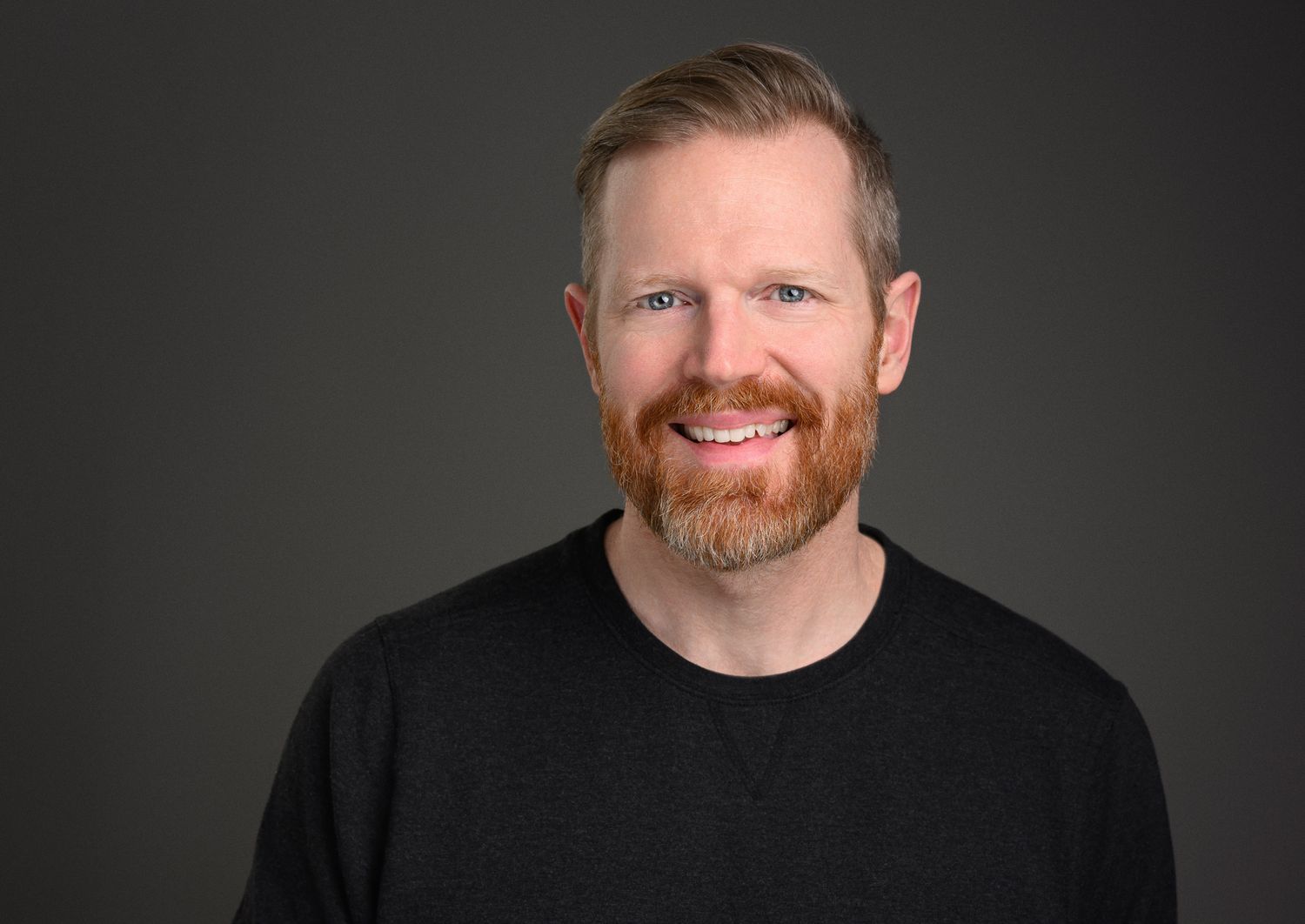
I’m Matt Stokes.
My years as a Broadway and Broadway touring actor taught me how much a professional headshot can shape a first impression, and how vulnerable being photographed can feel.
If your current headshot no longer feels like you, tell me what you want the next one to communicate. Fill out the form below, and I’ll get back to you within a day.
Let's Talk Headshots
Professional headshots are one of the most underrated investments you can make in yourself, your brand, or your business.
Whether you're updating your LinkedIn profile with fresh corporate headshots, building a personal brand or organizing team headshots that represent your company culture - I’m here for all your New York City headshot needs.
I’d love to hear about your goals and make a plan to help you stand out with confidence, clarity, and purpose.
